How to Introduce Cutting-Edge Audio Equipment in Australia for Your Students

Identifying Student Needs
Understanding Classroom Dynamics
In understanding classroom dynamics, it's essential to grasp how students absorb and interact with audio elements. Brisbane, with its lively music scene, exemplified by venues like the Brisbane Powerhouse, offers a unique backdrop for educators exploring audio equipment. When I think of classroom dynamics, I often consider how theatre-style setups can work in harmony with broadcast solutions to create engaging and immersive educational experiences.
How Students Engage with Audio
To inspire students, consider how they naturally engage with different auditory stimuli. For younger learners or those new to music, hands-on interaction with instruments or digital soundscapes, much like those experienced in cultural events at the Queensland Performing Arts Centre, can spark creativity. Data projectors can be used to display virtual instruments or audio visuals that make lessons come alive, fostering an environment where students can experiment and learn.
Tailoring Solutions for Diverse Learners
Adapting to diverse learning needs is crucial. Some students may thrive with advanced sound systems, while others might benefit from more focused aids like PTZ cameras to hone in on specific audio techniques. Remember to adjust the equipment to match your students' comfort levels, as well as their learning modalities, to ensure an inclusive classroom where every student feels heard and motivated to participate.
Choosing the Right Equipment
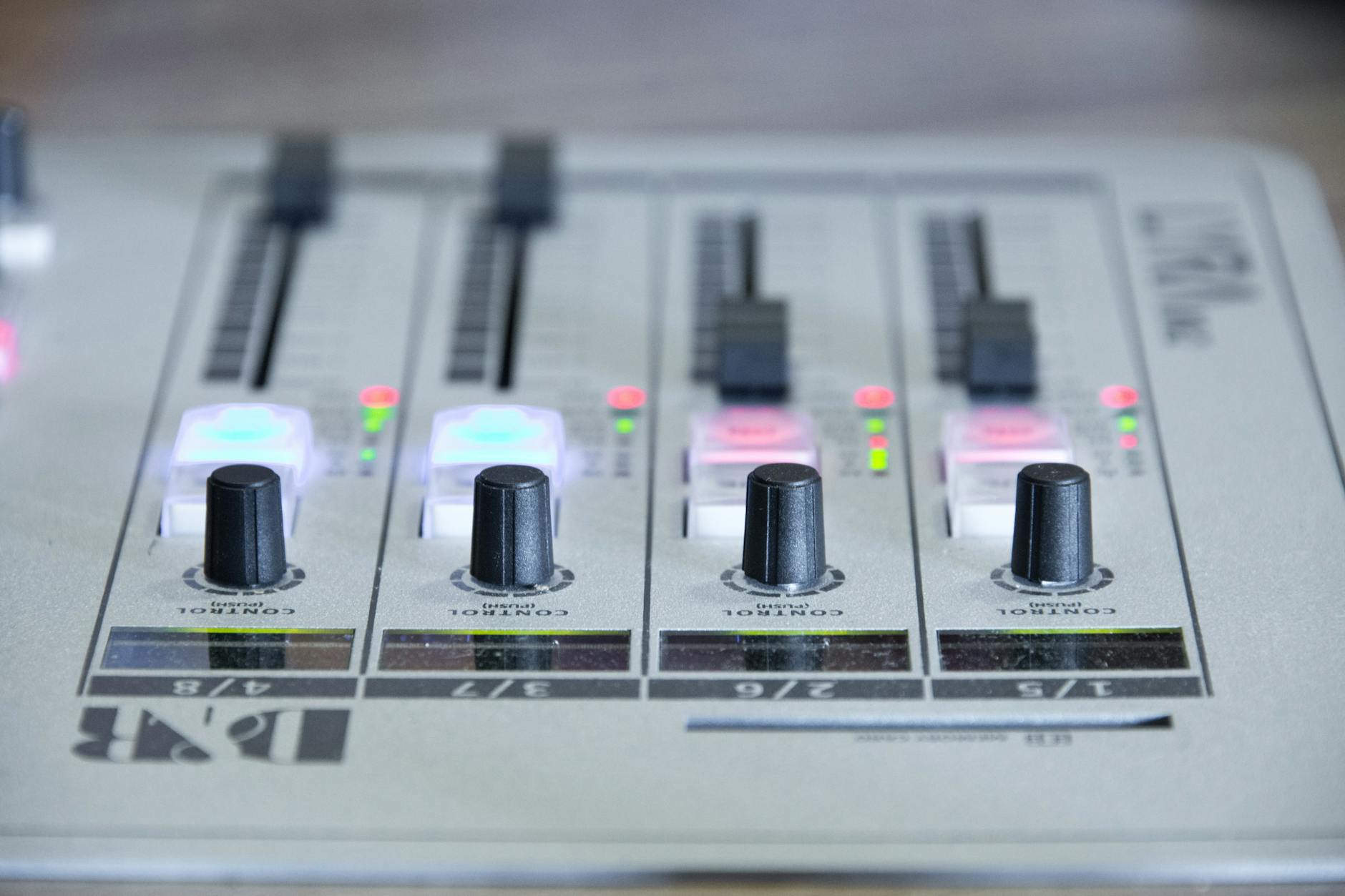
As a music educator in Brisbane, reflecting on audio equipment selection can make or break your teaching sessions. Let's explore the audio technologies that cater to a modern classroom environment. The focus should be on finding tools that not only enhance sound quality but are also student-friendly. For starters, consider a professional microphone. This tool excels in capturing clear sound, vital for fostering a conducive learning atmosphere. Its precision ensures every student hears the nuances of musical notes—a key teaching strategy for music classes.
An essential element of audio equipment is its compatibility with existing classroom tools. For instance, paging systems efficiently integrate announcements or instructions without interrupting ongoing activity. By complementing other audio-visual technologies, these systems help streamline communication during crowded sessions at venues like the Brisbane Powerhouse. Such integration promotes seamless transitions from instructional periods to practice sessions.
Education-focused equipment should also prioritize durability and adaptability. Whether it's featuring sturdy construction to withstand frequent use or offering updated connectivity options, future-proof solutions are a wise investment. Music educators should look for features that make transitions between lessons and practices virtually effortless, ensuring each classroom session runs smoothly.
Ultimately, the right audio equipment should serve both practical needs and elevate the overall student learning experience. By investing in quality audio technologies, educators can foster an engaging environment where everyone from beginners to more seasoned learners feels motivated to participate fully.
Implementing Audio Tools
Setting Up Equipment Effectively
Implementing cutting-edge audio tools in your teaching space is both an exciting and meticulous effort. One of the first steps is understanding the unique layout and acoustics of your classroom. This involves assessing where students congregate and how sound travels in the room. Placing equipment correctly ensures that everyone enjoys an optimal audio experience. As you’re new to this, I suggest setting up a small system first. This allows you to manage and tweak it as needed, without getting overwhelmed by a larger setup.
Training for Maximum Impact
Once your equipment is in place, it's essential to invest time in training. Understanding how to leverage tools such as an antenna tracking system or other audio devices can significantly enhance classroom experiences. Short, focused sessions can be quite impactful, letting you explore the versatility of your setup and share practical tips with your students, similar to the vibrant community music events at South Bank in Brisbane. Remember, a well-versed teacher in audio tools can motivate and engage students more effectively.
Integrating with Teaching Methods
Integrating audio equipment into your teaching methods can transform your approach to education. Utilizing home entertainment systems to create immersive learning experiences can bridge abstract musical concepts with real-world applications. Think of how performances at the Brisbane Powerhouse use sound to captivate audiences. The same principle can apply to your classroom. By weaving in these tools with your existing curriculum, you create a dynamic and interactive environment that encourages student engagement and participation.
Best Practices for Engagement
Enhancing Interactive Experiences
Engagement thrives on interactive experiences, especially in a learning environment buzzing with energy similar to the Brisbane Powerhouse. To energize your lessons, consider investing in monitors for video conferencing as they allow real-time interaction and eye contact, making discussions more vibrant and effective. Utilizing touchscreens or interactive whiteboards can spark curiosity and creativity in students, encouraging them to participate actively and contribute their ideas.
Promoting Collaboration
Fostering a collaborative atmosphere can transform a classroom into a dynamic learning hub. Incorporate pro audio equipment to facilitate group projects and audio-visual presentations, which can enhance communication skills and teamwork among students. Consider setting up small group stations where students can engage with each other using these tools, ensuring they practice respectful listening and articulate their thoughts clearly, much like performers preparing for an event at the Queensland Performing Arts Centre.
Measuring Student Feedback
One powerful method to refine your teaching strategy is by actively measuring student feedback. Collecting insights can help gauge the effectiveness of your audio equipment and teaching methods. Use surveys and feedback forms to gather thoughts on what aspects of the lessons resonate most and where improvements can be made. Ensuring you adapt based on student input not only refines your instructional techniques but also empowers students, making them feel valued and heard. Embracing this approach cultivates an environment where teaching and learning evolve hand in hand.
Common Mistakes and How to Avoid Them
Neglecting Proper User Training
It's crucial to ensure that both you and your students are well-versed in using any new audio equipment. Skipping this step can lead to under-utilization and frustration. Think of this like preparing for a school concert; you wouldn't expect a flawless performance without rehearsals. Offering structured training sessions immediately after the audio video conferencing tools are introduced can be beneficial. Perhaps even consider organizing a hands-on workshop at the Brisbane Powerhouse, where students can experience the vibrancy of this new technology firsthand.
Overlooking Classroom Layout
Getting the most out of cutting-edge audio equipment requires thoughtful consideration of how your classroom is arranged. Ignoring this element might result in sound not reaching all students effectively, diminishing the overall learning experience. Take a cue from the cultural events at the Queensland Performing Arts Centre, where acoustics are tailored to enhance audience engagement. Rearranging seating plans or adding absorptive materials to specific areas can significantly enhance sound distribution.
Neglecting Regular Updates
Audio technology evolves rapidly, and failing to update your equipment can leave you lagging behind. Similar to how community music events at South Bank continually adapt their programming to stay relevant, it's essential to stay up-to-date with software upgrades and new features. Regularly updating equipment not only enhances functionality but also secures it against potential technical issues. By keeping your gear current, you'll maintain a dynamic and inspired learning environment.